.png)
The Law Changed. Now what? Navigating Tennessee's Kratom, 7OH & THCA Ban with Hope and Support
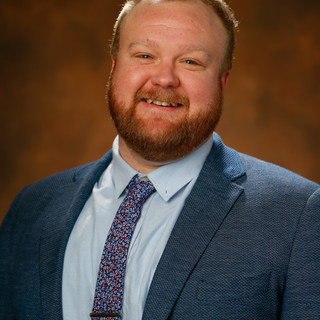

Since Tennessee's recent changes regarding kratom, 7OH products, and THCA cannabinoids, I've been hearing from many people who are scared.
Some are wondering what withdrawal will be like. Some have tried to quit before and couldn't.
Others are realizing that what started as something they believed was helping them has quietly become something they now depend on just to get through the day.
If that's you, or someone you love, I want you to know this:
You are not weak. You are not broken. Your brain has just adapted to what it was repeatedly given. That's just what brains do.
Brain Change
Whether it's kratom, highly concentrated 7OH products, or cannabinoid products, these substances change the way the brain regulates reward, stress, pain, and emotion. Over time, the brain adjusts to their presence. When they're suddenly removed, the brain has to relearn how to function without them. That process can be physically and emotionally exhausting.
Withdrawal can include anxiety, irritability, insomnia, restlessness, muscle aches, stomach problems, sweating, depression, intense cravings, and a feeling that you'll never feel normal again. Those symptoms are real, they are serious and we can help you navigate them.
One of the biggest misconceptions about withdrawal is that if it feels unbearable, something must be terribly wrong. In reality, your brain is doing exactly what it was designed to do; it is adapting again. Healing takes time, but the brain is remarkably resilient.
More Than Willpower
This isn't about having more willpower. It's about understanding what's happening in your brain, knowing what to expect, having the right support, and giving yourself the opportunity to heal.
Let’s don’t overlook one key factor in the healing process:
Most people didn't reach for these substances because they wanted to become addicted. They reached for them because they were trying to solve a problem.
Maybe it helped with anxiety. Maybe it quieted racing thoughts. Maybe it eased physical pain.
Maybe it helped you sleep, gave you energy, helped you work longer hours, or simply made it easier to get through the day.
The substance wasn't the real problem in the beginning, it became the solution your brain learned to rely on. This isn't just about taking that solution to all of that away, it's about discovering why you needed it in the first place and helping you build healthier, lasting ways to meet those same needs.That's where lasting recovery begins.
You do not have to do this alone, and you do not have to know where to start.
Some people can safely stop with outpatient support. Others may need medical detox because of the amount they're using, their medical history, or the severity of their withdrawal symptoms. There is no one-size-fits-all approach, and there is no shame in needing a higher level of care.
With all of the recent changes in Tennessee law, I also want to say something that I think is important. As counselors, we are not the people who make the laws. We don't decide what is legal or illegal, and we know those changes can leave people feeling frustrated, angry, confused, or afraid. Our job isn't to judge how you got here. Our job is to help you navigate what comes next.
Whether you're trying to stop because you want to, because you have to, or because the law has changed, you deserve compassionate, evidence-based support. Recovery isn't about punishment, it's about helping you safely move forward and giving your brain and body the opportunity to heal. My goal isn't to convince you that I'm the only answer. My goal is to help you find the right answer for where you are today.
As a Licensed Alcohol and Drug Abuse Counselor, I can help assess your situation, educate you about what to expect, connect you with appropriate detox or medical resources when needed, and continue walking alongside you after the physical withdrawal is over.
Because for many people, that's when the real work begins. The brain doesn't heal overnight.
There can be weeks or even months where motivation is low, emotions feel unpredictable, sleep is inconsistent, and your brain keeps trying to convince you that using it again would make everything feel better. Those thoughts are common. They are understandable. And they do not have to determine what happens next.
This is where support, education, accountability, and practical coping strategies become so important. Together, we work on understanding your triggers, rebuilding healthy routines, managing cravings, regulating emotions, and creating a life that no longer depends on a substance to feel okay.
My hope is that people know there are options.
There are medical professionals who can help you detox safely. There are treatment programs. There are counselors. There are peer support specialists. There are recovery communities. And if I can help you navigate those resources, answer your questions, support you through withdrawal, or help you understand what your brain is experiencing as it heals, I'd be honored to help.
You don't have to have all the answers today. You just have to take the next step.
There is hope. Healing is possible. And you don't have to walk through it alone.


Comments